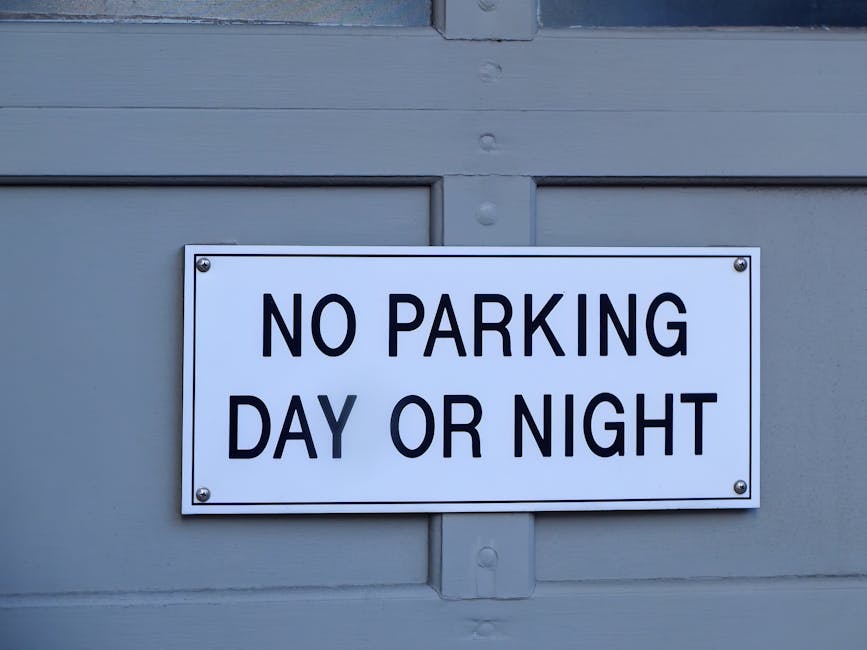
Parking Suspension Rules in SE6: Avoid Move-Day Fines
Posted on 05/07/2026
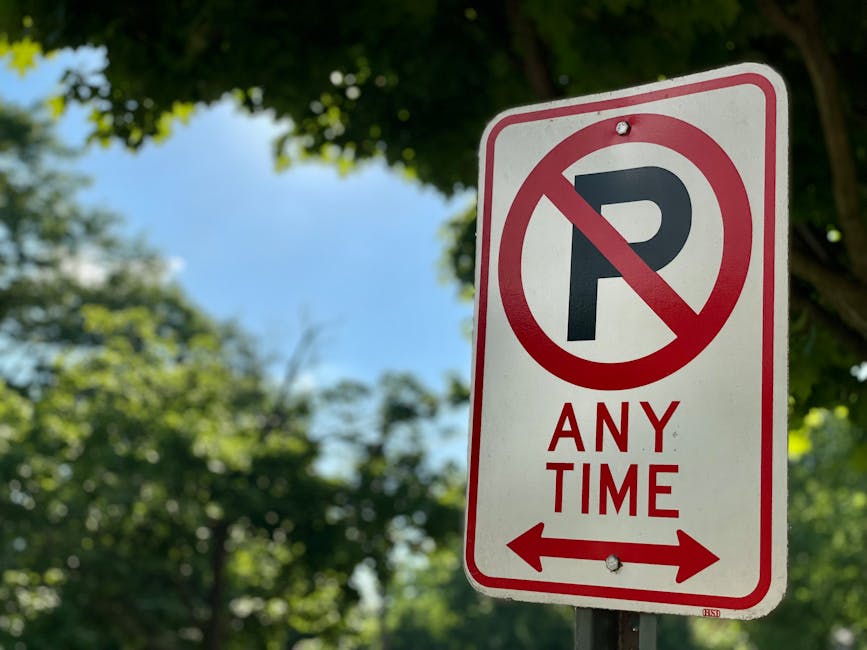
If you are moving in SE6, parking is rarely the thing people look forward to. Then, right at the worst possible moment, a suspension notice turns up, a bay is restricted, or the van is left circling while everyone else on the road is already under pressure. That is exactly why Parking Suspension Rules in SE6: Avoid Move-Day Fines matters so much. Get the parking side wrong and a perfectly organised move can slide into fines, delays, and that horrible rushed feeling nobody wants on moving day.
This guide explains how parking suspensions usually work in a local move, what to check before the van arrives, and how to reduce the risk of penalties. It also covers the practical bits people often miss: timing, signs, loading plans, and what to do if the space you expected is unavailable. To be fair, parking is one of those boring details that becomes very exciting the moment it goes wrong.
Why Parking Suspension Rules in SE6: Avoid Move-Day Fines Matters
Parking suspensions are not just a technicality. On move day, they can decide whether your removal vehicle can stop close to the property, whether furniture has to be carried farther than expected, and whether your schedule stays calm or turns into a scramble. In SE6, where streets can be busy, space can disappear fast, and neighbours often already have tight parking habits, the difference between a well-planned stop and a wrong stop can be a fine or a wasted hour.
The bigger issue is knock-on pressure. If the van cannot park near the entrance, loading slows down. If the team has to keep shifting the vehicle, time gets lost. If the driver is forced to stop in a suspended bay, that can lead to penalties. And if you have booked a chain of help - cleaners, key handover, elevator access, storage drop-off - the whole day can start to wobble.
For many people, this is especially relevant on flats, terraces, narrow residential roads, and mixed-use streets near shopping areas or busier local junctions. You might think, "It's only for ten minutes." That is the classic moving-day trap. Enforcement does not really care that it was only ten minutes. A bay is either available or it is not.
There is also a trust element here. A good move is not only about lifting boxes neatly. It is about showing that you have thought through the practical realities of the street outside your home. That is one reason careful planning, clear communication, and the right timing matter just as much as the packing itself. If you are still organising the rest of the move, it can help to read how to organise packing for a quick move so the parking plan and packing plan work together rather than fighting each other.
How Parking Suspension Rules in SE6: Avoid Move-Day Fines Works
In plain English, a parking suspension means a space that is normally usable is temporarily restricted. That restriction may apply to a residents' bay, pay-and-display bay, loading area, or another marked space. The reasons vary: roadworks, utility works, events, removals, filming, highway maintenance, or access needs. In a moving context, the important question is not why the suspension exists, but whether your van can legally stop where you planned.
Usually, the process works like this:
- A suspension notice is placed on or near the affected bay.
- The notice states the date, hours, and restriction details.
- The bay becomes unavailable during the stated period, sometimes with no stopping, sometimes with tighter conditions.
- Any vehicle parked contrary to that restriction risks a ticket or removal action, depending on the rules in force.
The practical challenge is that notices can be easy to miss if you are not looking for them specifically. They are often temporary, and on a packed street they can blend into the background. On move day, your attention is usually on the door, the boxes, the stairwell, or the neighbour with the unavoidable cat. The parking notice ends up being the quiet little problem sitting in the corner.
Another point people overlook: even if you can see a spot, it does not mean it is safe to use. A suspension may apply across a section of road, not just one marked bay. So you have to read the sign properly, not just glance at it. If the local situation feels complicated, especially around permit-heavy streets or flats, a useful next read is this explanation of local council permits for removals, which fits naturally with the parking side of the move.
And if you are moving a larger load, vehicle positioning matters even more. In that case, it is worth understanding the wider moving setup too - for example, the difference between a tight one-trip move and several back-and-forth journeys. The quicker the vehicle can load, the lower the exposure to parking trouble. Simple, but true.
Key Benefits and Practical Advantages
When you get parking suspensions right, the benefits are surprisingly broad. It is not just about avoiding fines. It is about keeping the whole day smoother, safer, and less chaotic.
- Less risk of penalties: The obvious one. No one wants to come back from unpacking and discover a charge notice on the windscreen.
- Faster loading and unloading: Closer parking means shorter carries and fewer bottlenecks at the front door.
- Lower physical strain: A van parked awkwardly or too far away means extra lifting, more steps, and more fatigue.
- Better time control: You are less likely to fall behind if the vehicle can stop where it needs to stop.
- Less stress for everyone: Calm starts early. And once the day turns frantic, it can be hard to recover.
There is a quieter advantage too: good parking planning gives you more confidence. You arrive on the day with a clear route, a plan for the van, and a sense that you are not improvising every five minutes. That matters more than people think. A confident move tends to be a safer move.
It also supports better coordination with the rest of the job. If you have ordered boxes, scheduled cleaners, arranged storage, or booked help for awkward furniture, parking acts like the hinge on the door. Without it, the whole thing feels heavier. With it, the move feels oddly manageable. Not glamorous, but manageable.
Who This Is For and When It Makes Sense
This advice is useful for almost anyone moving in SE6, but some people need it more than others.
- Flat movers: Especially if the building has limited street access, no private drive, or shared parking.
- Families in terraced homes: These streets can be tight, and a van may need a very specific stopping point.
- Students: If you are moving on a deadline and using a smaller van or a same-day service, parking becomes even more important. A good place to start is student removals support in Bellingham if your move is time-sensitive.
- Office movers: Even small office moves need controlled access, especially when there are multiple people, trolleys, and a narrow window for access.
- Anyone using a larger removal van: The bigger the vehicle, the more important the exact stopping point becomes.
It makes sense to focus on parking suspensions if your street usually runs full, if permit rules are strict, or if the road is near a busy local hub. It also makes sense if your move day is tied to key collection, building access, or a chain of appointments. In other words: if the schedule is tight, do not leave parking to chance.
There are moments when the issue becomes urgent. A same-day move, a last-minute completion, a Friday afternoon handover - those are the times when you want a realistic parking plan, not a hopeful one. If that sounds like your situation, you may also find last-minute SE6 moving options helpful for the bigger picture.
Step-by-Step Guidance
Here is the practical version. Nothing fancy. Just the steps that help you avoid the most common headaches.
- Check the street early. Don't wait until the day before. Walk the road, look for suspension notices, permit signs, bay markings, and any temporary restriction notes.
- Confirm the move window. Match your moving time to the parking restriction time. A one-hour overlap is still an overlap.
- Measure the likely stop point. If possible, work out where the van can safely sit without blocking turning space or violating restrictions.
- Plan a backup position. If the first bay is suspended, what is the next legal option? Have one in mind before the truck arrives.
- Tell everyone involved. The driver, the people packing, and anyone meeting you at the property should all know the parking plan.
- Use loading time efficiently. Keep essentials near the front, use clear labels, and avoid hunting for random items while the van is waiting.
- Recheck on the morning. Temporary restrictions can change, signs can be updated, and sometimes a location that was fine yesterday is not fine today.
A sensible move is one where you reduce decisions on the day. The more you decide in advance, the fewer chances there are for small mistakes to become expensive ones.
If you are still building your moving plan, it helps to sort the items in the right order. For example, once the van location is settled, you can pack by loading priority. That is why quick-move packing order and parking planning work so well together.
Expert Tips for Better Results
Here is where experience saves time. A few small habits can make a big difference.
Arrive earlier than feels necessary. Parking is one of those things that always seems to take longer than you expected. Give yourself a cushion. Even fifteen extra minutes can be the difference between a clean setup and a rushed start.
Use a loading strategy, not just a parking spot. If you can park close to the main entrance, great. But think beyond the space itself. Where will boxes go first? Which items should be loaded while the access path is clear? If you have a sofa, mattress, or awkward wardrobe, the order matters. For guidance on heavy household items, see these bed and mattress moving tactics.
Keep the street interaction friendly. A quick polite chat with neighbours can sometimes prevent friction. They may shift a car, leave a gap, or simply stop you from being boxed in. It is not a legal shortcut, obviously, but it can help. People are usually more cooperative when they know what is happening.
Do not assume the van can "just stop." That phrase causes trouble. Vague parking plans become real problems when the driver is left guessing. Make the plan specific.
Combine parking with decluttering. If you are moving fewer items, the vehicle is on the street for less time. That lowers the pressure. A useful companion read is this clutter-clearing moving guide, which helps cut the load before move day.
Have a backup for awkward items. Furniture, appliances, and fragile pieces often take longer to manoeuvre than expected. If the van is parked far away, that extra distance really starts to show. For large items, a practical service such as furniture removals in Bellingham can make the process smoother.
And one more, because it matters: check the signs again after the van has parked. Parking restrictions can be easy to miss when everyone is carrying boxes and talking over each other. Happens all the time.
Common Mistakes to Avoid
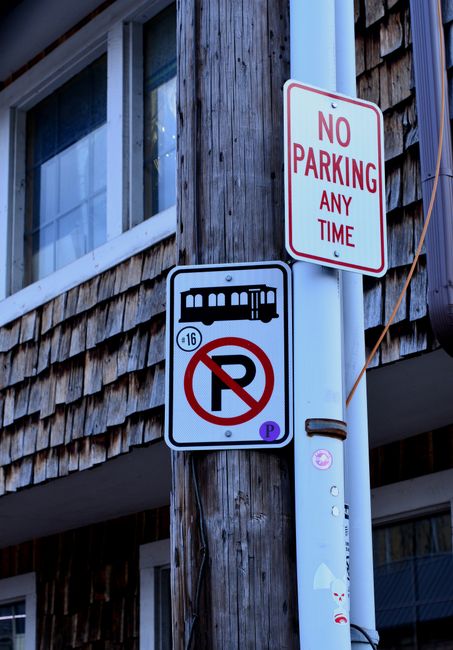
Most move-day parking fines are not caused by one huge disaster. They come from little oversights. Annoying little oversights.
- Reading the sign too quickly: People see a bay and assume it is free. Not always.
- Leaving parking planning until the morning: By then, options are slim and stress is high.
- Assuming private arrangements override public restrictions: A friendly note from a neighbour is not the same as a legal suspension change.
- Ignoring loading time: A short stop can become a long one if the team is still finding keys, tools, or protective wrapping.
- Not telling the driver about restrictions: This one is surprisingly common. Everyone thinks someone else has checked it.
- Blocking access while "just unloading quickly": That can upset neighbours and create safety risks.
There is also a quieter error: focusing only on the front door and forgetting the route from van to property. If the path is narrow, uneven, or busy, the parking spot needs to be chosen with that in mind. Otherwise you end up saving two minutes at the van and losing ten at the doorway.
If your move includes awkward stairs or a tight building entrance, the parking plan should be part of the access plan. The street, the doorway, the stairwell - all of it is connected. For that kind of setup, narrow staircase moving solutions can be useful context.
Tools, Resources and Recommendations
You do not need a huge toolkit, but a few practical things help.
- Printed or saved photos of the restriction sign: Handy if you need to double-check times or show someone else.
- Phone reminders: Set alarms for arrival, loading start, and sign-check times.
- Labels and loading notes: These help reduce the time the van spends stationary.
- Protective covers and straps: Faster loading means less standing around in the restricted zone.
- Contact details for the property manager or landlord: Sometimes a quick clarification saves a long argument.
From a service point of view, it is worth looking at support that fits the complexity of your move. A short, straightforward move may only need man and van support in Bellingham. A more involved one could need a fuller removal service or even a specialised team if the access is awkward. If you are comparing options, the broader services overview can help you think through what level of support makes sense.
It is also wise to think about what happens if the plan changes. If parking becomes impossible, or the move runs late, you may need a backup plan. In some cases, temporary storage in Bellingham can reduce pressure and let you stage the move more sensibly. Not ideal? Maybe. But sometimes very useful. Truth be told, a tidy back-up plan is a lot nicer than a frantic one.
Law, Compliance, Standards, or Best Practice
This is the area where cautious wording matters. Parking rules are not something to guess at. Local restrictions, sign wording, and temporary suspensions can all affect what is allowed on the day. The exact details may vary by street, time, and local authority practice, so the safest approach is to treat the displayed signs and local parking conditions as the final word for your move.
Best practice usually looks like this:
- Read the sign in full, not just the headline.
- Check the date and time window carefully.
- Assume that temporary restrictions are binding once posted.
- Do not rely on "it was fine last week."
- Keep evidence of what you checked, just in case a dispute arises later.
For removals, compliance also overlaps with duty of care. A safe move is one that avoids blocking traffic, protects pedestrians, and respects the restrictions in place. If a van needs to wait, it should wait legally. If the space is not suitable, another space should be used. Simple, really, but easy to forget when everyone is tired and carrying something heavy.
That duty of care extends beyond parking. A well-run move should also consider protection of belongings, safe lifting, access routes, and fair treatment of neighbours. If you want to see how a company handles those wider responsibilities, the health and safety policy and insurance and safety information are both useful reading before booking.
Options, Methods, or Comparison Table
There is more than one way to handle move-day parking in SE6. The right approach depends on how tight the street is, how much you are moving, and how much uncertainty you can tolerate.
| Approach | Best for | Pros | Watch-outs |
|---|---|---|---|
| Careful self-check of signs | Smaller moves, familiar streets | No extra planning cost, direct control | Easier to miss temporary updates |
| Pre-planned arrival with buffer time | Busy streets, flats, timed handovers | More breathing room, less panic | Requires stronger schedule discipline |
| Use of removal help with local experience | Complex or larger moves | Practical street knowledge, faster loading | Needs clear communication on access and timings |
| Temporary storage or staged move | Multi-day or uncertain access | Reduces pressure, gives flexibility | Extra coordination, may add cost |
For many readers, the best option is a combination: check the street, build in a cushion, and use experienced help where it actually reduces risk. That is usually better than trying to "wing it" with a long van and a tight bay. Winging it sounds brave until the ticket appears.
Case Study or Real-World Example
A typical SE6 scenario goes like this. A couple is moving out of a first-floor flat on a residential road. They have booked helpers for mid-morning, and the van was expected to stop in a bay close to the entrance. The night before, they notice a temporary suspension sign that covers the exact bay they planned to use.
Instead of hoping for the best, they adjust early. They move the van booking forward by half an hour, ask the driver to use the nearest legal alternative space, and keep the boxes grouped by priority so the load can be transferred quickly. Because the essentials are already packed and the route from front door to van is clear, the move stays on time. There is a bit more walking involved, yes, but no fine, no confrontation, and no delay spiralling into the afternoon.
That is the real lesson. A parking suspension does not have to wreck the day. It only becomes a disaster when the move was built around one impossible assumption: that the usual bay would still be usable. Once that assumption is removed, the rest is just logistics.
If the property has a tricky approach or you are moving large pieces, reading about best routes and parking hints for Bellingham Park House moves can also give you a more street-level sense of what local access planning looks like in practice.
Practical Checklist
Use this before moving day, ideally the evening before and again on the morning of the move.
- Check the exact street signs near the planned parking spot.
- Confirm whether any temporary suspension overlaps with your move time.
- Make a backup parking option, preferably a legal one within a reasonable carry distance.
- Tell the driver exactly where to stop and what to do if the space is unavailable.
- Keep boxes, furniture, and fragile items ready in loading order.
- Free the hallway, doorway, and any shared access route.
- Have a phone charged and on hand for quick communication.
- Take a photo of the restriction sign for reference.
- Leave a little time buffer for traffic, loading, and unexpected issues.
- Recheck the parking situation on arrival, not just before leaving home.
Expert summary: the safest way to avoid move-day fines in SE6 is to treat parking as part of the move plan, not a side issue. Check the signs, keep a backup, arrive early enough to breathe, and make sure the van, the property access, and the loading order all match. That simple habit saves stress more often than people expect.
Conclusion
Parking suspension rules can feel like a small technical detail, but on a moving day they are anything but small. In SE6, where access can be tight and schedules can run close, a single missed sign can lead to fines, delays, and unnecessary tension. The good news is that most problems are preventable with a bit of planning and a calm, practical approach.
If you check the street early, leave a buffer, keep your loading order organised, and choose the right support for the scale of the move, you give yourself a much better chance of a smooth day. That is really the whole game here. Not perfection. Just fewer surprises.
Get a free quote today and see how much you can save.