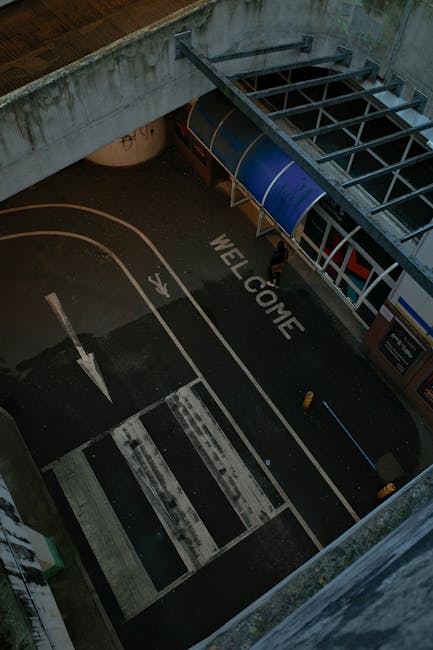
Bellingham Shopping Centre Moves: Loading Bay Advice
Posted on 14/05/2026
Moving near a shopping centre sounds simple enough until you're staring at a loading bay, a tight timetable, and a van full of furniture that absolutely does not want to be rushed. That's where Bellingham Shopping Centre Moves: Loading Bay Advice becomes genuinely useful. The right approach can save time, avoid awkward delays, and make the whole day feel far less frantic. To be fair, most moving problems at retail or mixed-use sites are not dramatic disasters; they're small access issues that snowball because nobody planned for them properly.
This guide explains how loading bays work in practice, what to check before moving day, which mistakes to avoid, and how to make the whole process smoother if you're moving in or around Bellingham Shopping Centre. You'll also find a practical checklist, a comparison table, and FAQs for the questions people actually ask when they're trying to get a van in, unload safely, and get out without upsetting the clock or the neighbours.
Why Bellingham Shopping Centre Moves: Loading Bay Advice Matters
Loading bays are more than just a convenient place to park. They're the controlled space that keeps deliveries, removals, staff access, shoppers, and service traffic from colliding. If you're moving into a shop unit, office, storage space, or nearby flat with restricted access, the loading bay may be the difference between a calm move and a messy one.
In busy local settings, timing matters. A bay can be shared, time-restricted, narrow, or tucked behind service routes that are easy to miss if you've only seen the site from the pavement. One wrong assumption can lead to a van circling, a crew carrying boxes farther than expected, or a delayed handover. And if you've ever tried to shift a sofa through a tight service door while someone is asking whether you've "nearly finished," you'll know how quickly patience disappears.
Good loading bay advice helps you:
- avoid blocking access for other users
- reduce lift-and-carry distances
- protect bulky items during unloading
- keep the move on schedule
- limit the risk of damage, complaints, or last-minute stress
That matters whether you're moving a few boxed-up office items or a full household. It also matters if you're using a man and van service in Bellingham, because even a small move can get complicated when the access point is shared or tightly managed.
How Bellingham Shopping Centre Moves: Loading Bay Advice Works
At a practical level, the loading bay process is about planning the vehicle, the route, the arrival time, and the unloading sequence so each stage happens with minimal friction. The moving team needs to know where to stop, how long they can stay, what size vehicle will fit, and whether there are height, turning, or access restrictions.
Most shopping-centre moves follow a similar pattern:
- Check the site's access arrangements in advance.
- Confirm the vehicle type and arrival window.
- Arrange any gate codes, permits, or contact names needed on the day.
- Protect floors, walls, and high-traffic areas before the first item comes off the van.
- Unload in a logical order so urgent or fragile items come out first.
- Clear the bay promptly so the space can return to normal use.
That might sound straightforward, and sometimes it is. But the detail matters. For example, if you're moving office equipment, it's often better to unload desks and chairs after IT boxes and document crates, because the smaller essentials make setup easier. If you're moving household goods, you might want beds and mattresses off the van early so they can go straight into the right rooms. For that, this guide on moving your bed and mattress safely can help with sequencing and handling.
In our experience, the best moves are the ones where everyone knows the plan before the van arrives. It cuts the faff. It really does.
Key Benefits and Practical Advantages
Using the loading bay properly is not just about politeness or convenience. It has direct operational benefits, especially in mixed-use locations where residential, retail, and service needs overlap.
1. Faster unloading
A well-managed bay shortens the walk from vehicle to destination. That means less double-handling, less fatigue, and fewer chances to drop or scrape items. A move that looks like a two-hour job can quietly become a four-hour job if access is poor. Nobody wants that, especially on a wet weekday when the pavement feels slick and everything is taking just a bit too long.
2. Better safety
Loading bays are controlled spaces for a reason. They help separate moving traffic from public areas, but only if the area is used properly. Clear access, sensible parking, and decent manual handling all reduce the risk of trips, strains, and collisions. If you're moving heavier pieces, it's worth reading about insurance and safety practices before the day arrives.
3. Less disruption to other users
Retail sites often have staff deliveries, customer parking, and service access all happening at once. Moving efficiently keeps you from becoming "that van" everyone remembers. A short, well-run stop is usually better received than a long, uncertain one.
4. Lower chance of damage
Longer carrying distances mean more opportunities for bumps, scuffs, and dropped corners. When the van can get close to the entrance and the loading path is clear, fragile items and furniture are easier to manage. If you're moving larger furniture, you may also find the advice in furniture removals in Bellingham useful for thinking through handling and protection.
5. Cleaner handover
A well-organised move tends to leave a better impression, whether you're handing back a unit, starting a tenancy, or setting up a new business space. That matters more than people admit. First impressions stick.
Expert summary: The most efficient shopping-centre move is rarely the one with the biggest crew. It's the one with the clearest access plan, the right van size, and a loading bay routine that respects time, space, and everyone else using the site.
Who This Is For and When It Makes Sense
Loading bay advice is useful for anyone moving into or out of a location near Bellingham Shopping Centre, but some people need it more than others.
- Shop owners and tenants setting up fixtures, stock, or displays
- Office managers relocating equipment, desks, filing, or archive boxes
- Residents moving from a flat with shared access or restricted parking
- Students shifting personal items on a tighter timetable
- Landlords and letting agents coordinating a turnover between occupiers
- Anyone using a same-day service who has very little room for delay
If your move includes bulky or awkward items, the need becomes even clearer. Pianos, sofas, beds, freezers, and oversized cabinets don't forgive poor planning. For more specialised items, you may want to look at piano removals in Bellingham or the practical guide on why DIY piano moving can backfire.
This also makes sense if you're moving a short distance but still need careful access control. Short distance does not always mean easy. Sometimes the hardest part is the last twenty metres from van to door.
Step-by-Step Guidance
Here's a simple way to approach loading bay planning without turning it into a project spreadsheet from hell.
Step 1: Confirm the site rules early
Ask about bay access, opening hours, height restrictions, waiting limits, and any need to book a slot. If the site has a manager or security desk, get the correct contact details. Don't rely on a memory of "someone said there was a back entrance" from three weeks ago.
Step 2: Match the vehicle to the job
The van should fit the site and the load. A larger vehicle can reduce trips, but only if it can physically access the bay. A smaller van may be easier to manoeuvre, especially around tighter service roads. If you're unsure, compare options through removal van services in Bellingham or man with a van support.
Step 3: Pack with the unloading order in mind
Not everything needs to come off in the order it was packed. In fact, it usually shouldn't. Label the essentials clearly and keep the first-hour items closest to the back of the van. If you want a smarter approach to this, the article on how to organise packing for a quick move is worth a look.
Step 4: Protect the route
If the path from the bay to the unit is polished, cramped, or shared with public footfall, use floor protection, blankets, trolleys, and corner guards where needed. A small scratch on a wall can become a surprisingly awkward conversation. Better to prevent it.
Step 5: Unload in zones
Group items by destination inside the building. For example: storage, office, kitchen, reception, or bedroom. This avoids the classic pile-up where everything gets dumped in one room and nobody wants to say whose chair is whose.
Step 6: Clear the bay promptly
Once the essential load is off, move the van if the site requires it. If there's extra sorting or assembly to do, do it away from the bay. You don't want to become the reason another delivery driver is sighing at 10:15 in the morning.
Step 7: Check for damage and missing items
Do a quick visual sweep before the team leaves. Look at corners, surfaces, and packaging. If there's a problem, dealing with it immediately is always better than noticing it later when everyone has gone home.
Expert Tips for Better Results
These are the small things that make a move feel unexpectedly smooth. Not glamorous, but useful.
- Arrive with buffers, not fantasies. Give yourself a margin for traffic, gate delays, or a bay that's temporarily occupied.
- Use colour labels. A red sticker for kitchen, blue for office, green for storage. Simple and strangely effective.
- Keep one bag of essentials separate. Keys, phone chargers, documents, tape, bin bags, kettle bits, the works.
- Choose the right lifting method. Safe handling matters more than bravado. A short note on kinetic lifting and safe physiology can help you understand why posture and movement matter.
- Plan for the weather. A damp January pavement or a warm, bright July afternoon both change the pace of a move in different ways. Gloves, water, and a clean path are not extras.
- Keep communication short and clear. A quick "box three going left, wardrobe goes last" is more useful than a long discussion in the doorway.
A tiny bit of coordination goes a long way. Truth be told, the best loading bay setups often feel boring. That's usually a good sign.
If you're moving furniture or mixed household items, pair your access plan with sensible packing and decluttering. The guide on tackling clutter before moving is a solid starting point, and if your move ends with items going into storage, you may also find storage solutions in Bellingham helpful.

Common Mistakes to Avoid
Most loading bay problems are predictable. That is the slightly annoying part, because they're also avoidable.
Assuming the bay will be free
It may not be. Shared bays and service areas can fill quickly, especially during busy hours. Always confirm your slot.
Turning up with the wrong-sized vehicle
Too big and you may struggle with manoeuvring. Too small and the number of trips increases. Either way, the day drifts.
Ignoring site access height or turning limits
This is a classic. A van can be perfectly fine on the road and completely awkward at the rear access point. Measure first. Regret later is not a strategy.
Leaving fragile items loose
Glass, screens, mirrors, and worktops need proper support. If you're also moving a sofa or other large upholstered piece, read these sofa storage and protection tips so you don't end up with crushed fabric or bent frames.
Not telling the building team what you need
If staff, security, or neighbours need to know the move is happening, tell them in advance. It prevents awkward encounters and saves time on the day.
Trying to do everything by hand
Use dollies, blankets, straps, and a second pair of hands where needed. Even if you're strong enough, it doesn't mean it's the smartest way. One wrong twist, and suddenly the whole afternoon has a new mood.
Tools, Resources and Recommendations
You do not need a truckload of specialist gear, but the right few tools make a real difference.
| Tool or Resource | Why It Helps | Best Use |
|---|---|---|
| Furniture blankets | Protects edges and surfaces | Sofas, tables, cabinets, appliances |
| Moving straps | Improves grip and load control | Heavy lifts, awkward turns, stairs |
| Trolley or sack truck | Reduces carrying strain | Boxes, white goods, office loads |
| Floor protection | Limits scuffs and dirt transfer | Shared corridors, polished floors, entrances |
| Clear labels | Speeds up unloading and room placement | All household and office moves |
| Pre-move cleaning checklist | Keeps the handover tidy | End-of-tenancy or unit changeovers |
It also helps to read around the move, not just the loading bay itself. If you're getting the property ready, the article on simple cleaning tips before moving can save a last-minute scramble. If you're preparing appliances, this guide on storing a freezer without causing unnecessary harm is worth keeping nearby.
For the bigger planning picture, the main services overview and removals in Bellingham pages are useful if you want to compare support levels before booking.
Law, Compliance, Standards, or Best Practice
Loading bay moves usually sit within ordinary site rules, traffic management, and general health and safety expectations rather than anything unusually complex. Still, best practice matters. A shared access area is not the place for improvisation.
In the UK, the practical standard is to work in a way that reduces risk to workers, building users, and the public. That means sensible manual handling, clear communication, and respecting site-specific instructions. If a building has conditions for access, those conditions should be followed. If parking restrictions or loading limitations apply locally, they need to be checked in advance rather than guessed at on the morning of the move.
From a safe-working perspective, a few principles are sensible across most moves:
- keep walkways clear
- do not block emergency access
- lift within your limits and use help for awkward items
- use equipment properly and only where suitable
- protect people first, then the goods
If your move involves a commercial site, you may also want to review a provider's health and safety policy and insurance and safety information. That's not box-ticking. It's the sort of detail that gives you confidence when things get busy.
And if there's any uncertainty about access, it is better to ask a plain question early than to discover the answer with a van blocking the wrong doorway. Happens more often than it should.
Options, Methods, or Comparison Table
Not every move near a shopping centre needs the same approach. The right method depends on the size of the load, the access route, and how much time you have.
| Approach | Best For | Pros | Limitations |
|---|---|---|---|
| Self-managed loading bay move | Small, simple loads | Lower cost, full control | Higher planning burden, more physical effort |
| Man and van support | Medium moves and flexible access | Practical, efficient, usually quick to arrange | May need clear instructions and timed access |
| Full removal service | Larger household or business moves | More hands, smoother handling, less stress | Typically costs more than basic transport only |
| Same-day removals | Urgent changes or short-notice access | Fast response, useful in time-sensitive situations | Availability can be tight |
If you're deciding between options, think about three things: access, item size, and time pressure. A compact flat move with a lift nearby might be fine with a flat removals service. A busier business relocation may be better handled with office removals in Bellingham. If you need a quick turnaround, same-day removals may be the more realistic path.
Case Study or Real-World Example
Imagine a small retail unit moving stock and display fixtures into a space near the shopping centre. The team has a narrow delivery window, a mix of boxed items and a couple of awkward shelving units, and only one person who knows the building access code. Fairly normal, really.
What made the move work was not speed alone. It was the order of operations. The van was parked only after confirming the bay was free. Fragile stock was loaded near the rear door so it came out first. The shelving was wrapped and separated to avoid scraping against the stock boxes. One person stayed with the bay while the others carried items through, which kept the handoff moving. No one was hunting for tape, either. Small miracle.
There was one hiccup: a second item had been stacked too far forward in the van and needed to be shifted before unloading. Because the team had left a little breathing room, it did not become a problem. That tiny bit of foresight saved probably fifteen minutes and a fair amount of grumbling.
The lesson is simple. A good loading bay move is less about brute force and more about sequence, communication, and leaving yourself one small margin of safety.
Practical Checklist
Use this before moving day, ideally the day before if you can.
- Confirm the exact loading bay location and access route
- Check booking times, waiting limits, and any site instructions
- Measure the vehicle against height and turning restrictions
- Tell the building contact your arrival time
- Label boxes by room or department
- Wrap fragile or high-value items securely
- Keep tools, tape, and protective materials easy to reach
- Plan the unloading order so essentials come off first
- Use trolleys, straps, and enough people for heavier items
- Protect floors, corners, and door frames where needed
- Clear the loading bay promptly after unloading
- Do a final walk-through for damage or missing items
If your move involves a lot of packing, it can help to read packing and boxes advice in Bellingham first. It sounds basic, but a tidy stack of well-labelled boxes makes the loading bay job much easier. Less fuss. Less searching. More done.
Conclusion
Loading bay planning may not be the most exciting part of a move, but it is often the part that decides whether the day feels controlled or chaotic. If you understand the site access, match the vehicle properly, unload in the right order, and keep communication simple, the move becomes much easier to manage. That's the heart of good Bellingham Shopping Centre Moves: Loading Bay Advice - not cleverness, just careful planning done well.
Whether you are moving a flat, a shop unit, a stockroom, or a one-off bulky item, the same principles hold true: prepare early, respect the site, and give yourself enough time to do things properly. The calmest moves are rarely accidental.
If you need help planning the access, handling heavy items, or choosing the right moving support, a little expert guidance can save a lot of strain on the day.
Get a free quote today and see how much you can save.
And if you're standing there on moving day with a bay door open, a trolley ready, and the first box finally in the right place, that small moment of relief is worth it. It really is.